The Penguins Sprint: 48h FOSS Hackathon
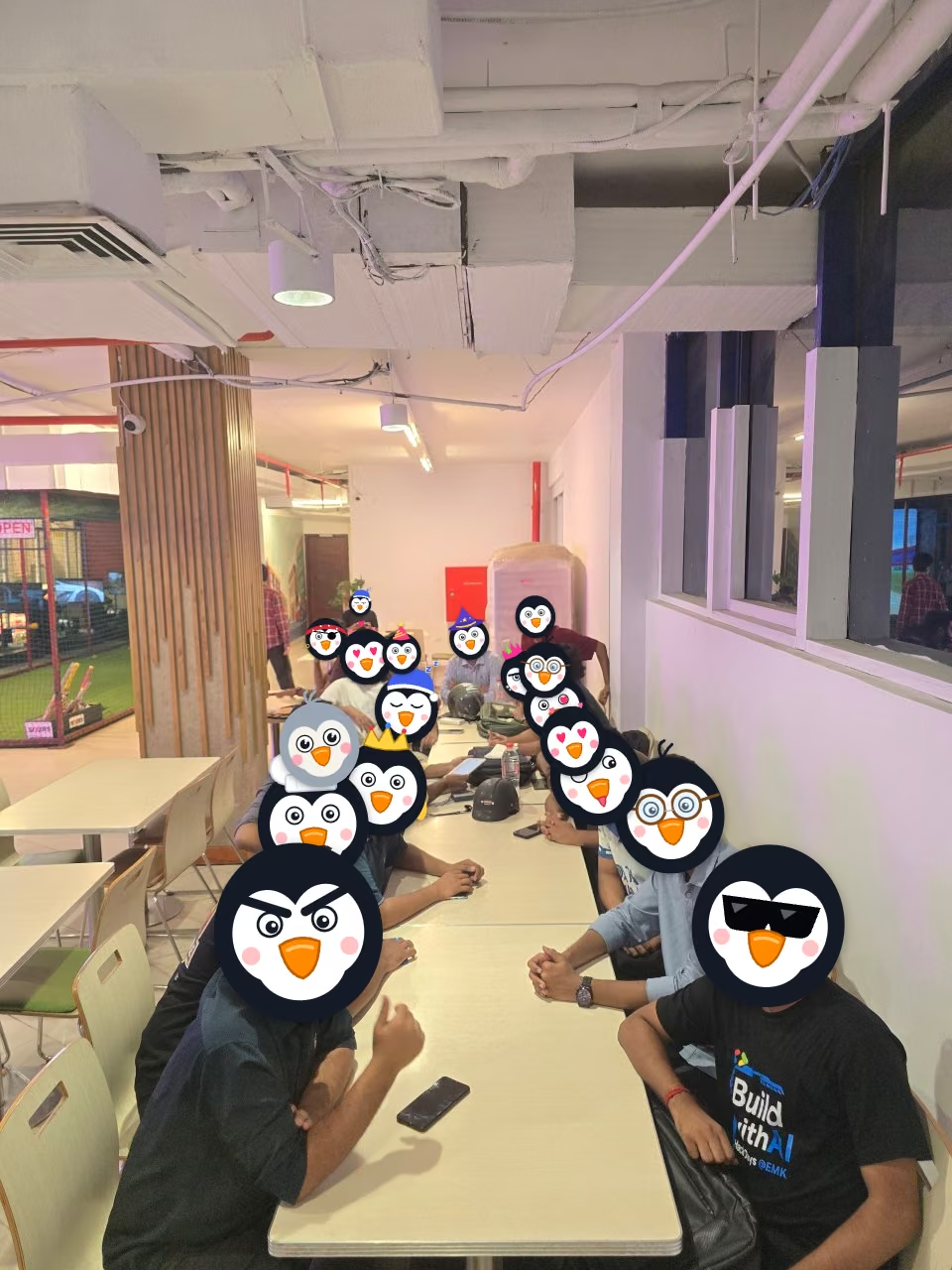
48 hours of hacking, snacks, and shipping. Build new FOSS tools, fix long-standing upstream bugs, or package software for distribution — mentors around the clock so nobody's stuck for long.
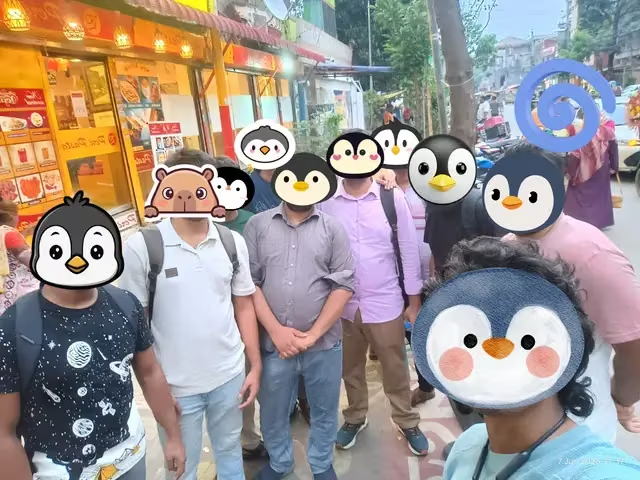
The Penguins Club is a friendly, community-run home for anyone curious about Linux and Free/Open Source Software — from your first terminal command to your first pull request. We host meetups, hackathons, and honest conversations, and nobody here will make you feel dumb for asking.
people who started out exactly where you are right now
No single "right" way to join in. Come to learn, come to teach, come to build something — our five pillars all lead to the same place: a community that actually shows up for each other.
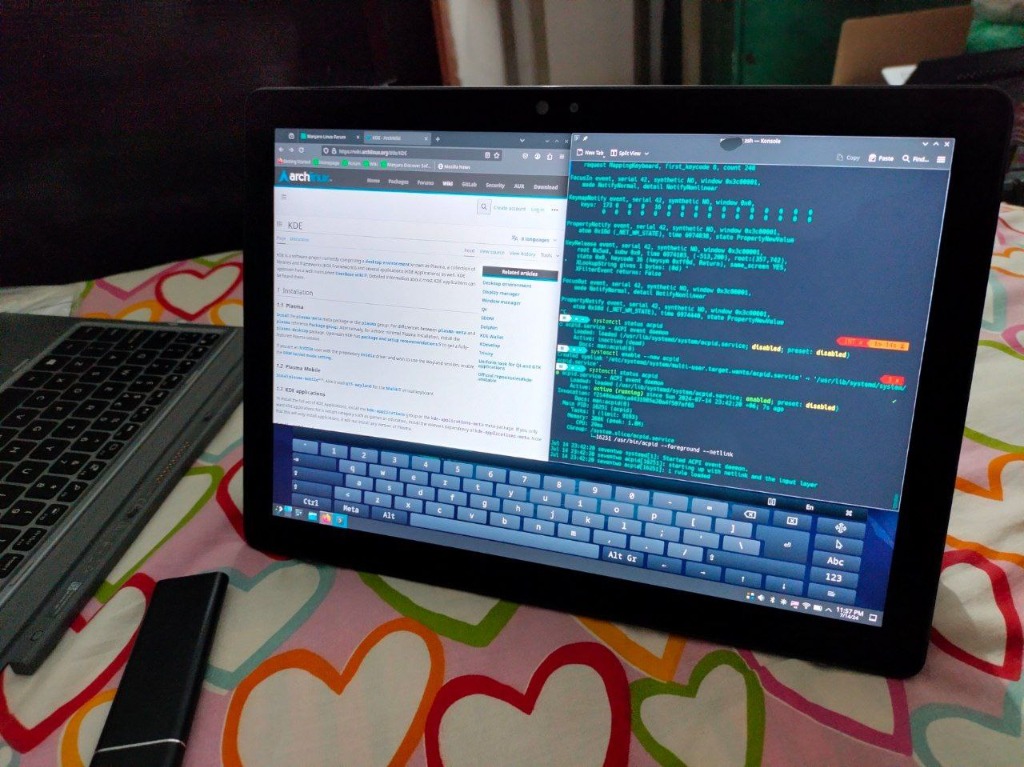
Demystifying GNU/Linux distributions, open standards, software licensing, and digital sovereignty. We run installation fests and friendly explainer sessions for total newcomers and seasoned pros alike.
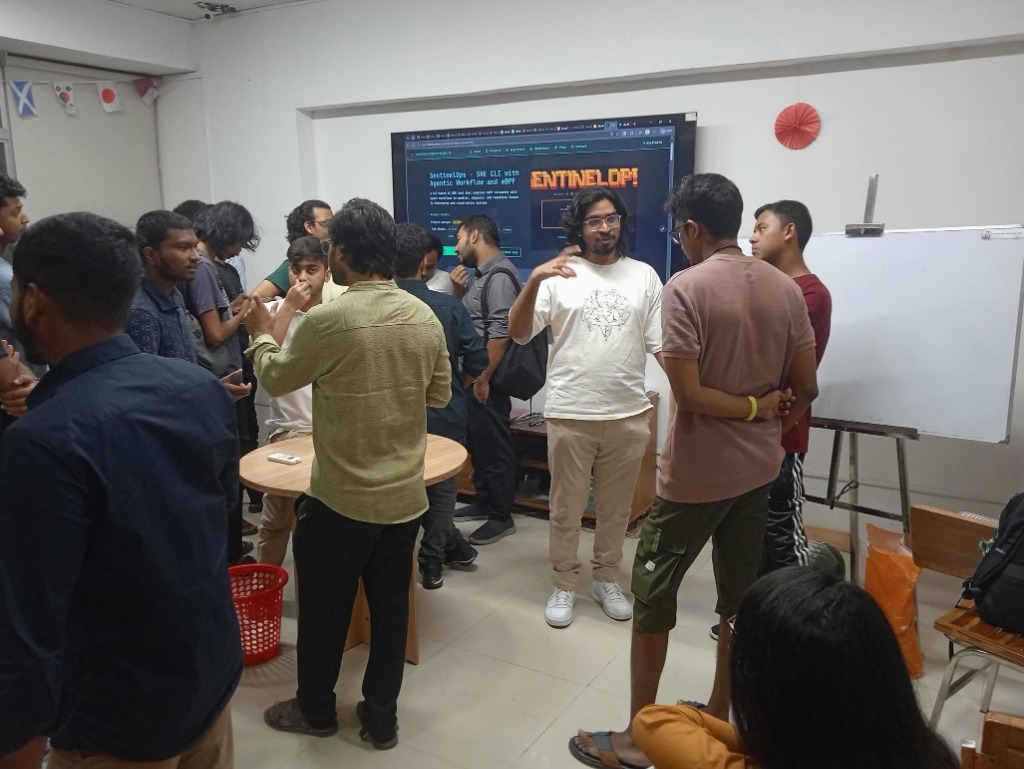
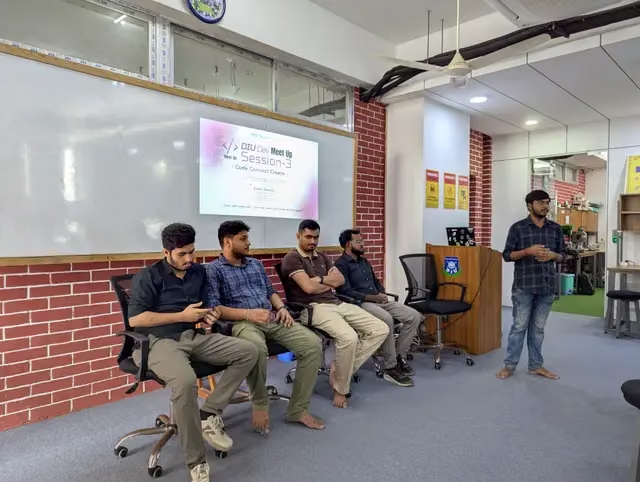
Monthly gatherings featuring lightning talks, live coding, and casual hallway-track chats. Whether in a local hacker space or over a stream, we share what we know, freely and without gatekeeping.
Fast-paced 48-hour sprints focused on shipping usable Free Software — desktop tools, web apps, and squashing long-standing upstream bugs. Mentors around the clock, snacks included.
Always-on spaces across Matrix, Discord, Discourse, and IRC. Talk kernels and Wayland, or just ask a beginner question — someone friendly is almost always around.
We don't just talk about FOSS, we write code. We pair first-time contributors with mentors, sponsor infrastructure, help with packaging, and cheer projects on until they find their own community.
Meetups, sprint hackathons, workshops, and weekly roundtables — all free, all community-organized, all genuinely welcoming to first-timers.
48 hours of hacking, snacks, and shipping. Build new FOSS tools, fix long-standing upstream bugs, or package software for distribution — mentors around the clock so nobody's stuck for long.
A friendly, jargon-explained tour of the latest scheduler improvements and how eBPF is changing system tracing — plus a few open-mic lightning talks from the community.
A hands-on, no-prior-experience-needed workshop on setting up your own self-hosted cloud, an encrypted Matrix homeserver, and a calmer, more private GNU/Linux desktop.
An open, no-flame-wars debate on atomic updates, declarative configs, Flatpaks, and where personal computing is headed. Bring your strongest opinion and your best manners.
We turn weekend ideas into durable, production-ready software. Through code review, infrastructure grants, and maintainer pairing, here's what a few of our community members have shipped.
A blazingly fast, declarative dotfiles & system package orchestrator built for modern Linux distros with atomic rollbacks.
An interactive, browser-based lab visualizing Linux kernel memory management, the CFS scheduler, and system call execution — built for learning, not just reading docs.
A zero-telemetry local DNS blocker and privacy daemon that audits background tracker traffic across your Linux workstation.
An ultra-lean, Wayland-native GPU terminal emulator focused on minimal latency, ligatures, and zero bloat.
No walled gardens, no "sign up to see more." Drop into whichever of these feels most like home — federated Matrix, voice-first Discord, long-form forum threads, or classic IRC.
Our main community channel — quick updates, event pings, and a place to say hi if chat apps are more your speed than a forum.
Our main chat space, on an open protocol with zero corporate surveillance. This is where most of the day-to-day conversation happens.
Active voice channels for sprint hacking, screen shares, hardware troubleshooting, and a standing weekly coffee chat that's really just people talking.
For the stuff that shouldn't disappear in chat scroll. Propose changes, ask for project sponsorship, or write a distro guide that people can actually find later.
For the purists who still love a terminal IRC client (irssi, weechat). Fast, lightweight, and bridged to our main Matrix channels.
In a world of walled gardens, quiet tracking, and remote kill-switches, we think computing should belong to the person using it. That's why we spend our free time helping people — students, career-switchers, curious neighbours — get comfortable with GNU/Linux and Free Software.
Your computer should belong to you. No background telemetry, no forced cloud accounts, no quietly monetized personal data.
Linux runs happily on lightweight hardware. Refusing planned obsolescence saves millions of computers from the landfill.
When software is open, anyone can check that what's running is exactly what was promised — no trust required, just verification.
Some of the best engineering in modern computing — the Linux kernel, Git, the Web itself — grew as a shared public commons.
Run the program as you wish, for any purpose, on any machine — no proprietary licensing limits, no telemetry watching over your shoulder.
Inspect how the program actually works and adapt it to your needs. Transparent source code isn't a nice-to-have, it's the whole point.
Redistribute copies so you can help a neighbour, a classmate, or your whole community — without artificial scarcity getting in the way.
Share your modified versions with others, so the whole community gets a chance to benefit from what you built.
“If you want to go fast, go alone. If you want to build durable digital infrastructure for humankind, go open source.”